Listen


 Facebook
 Nextdoor
 X
 WhatsApp
 Email
 Copy link

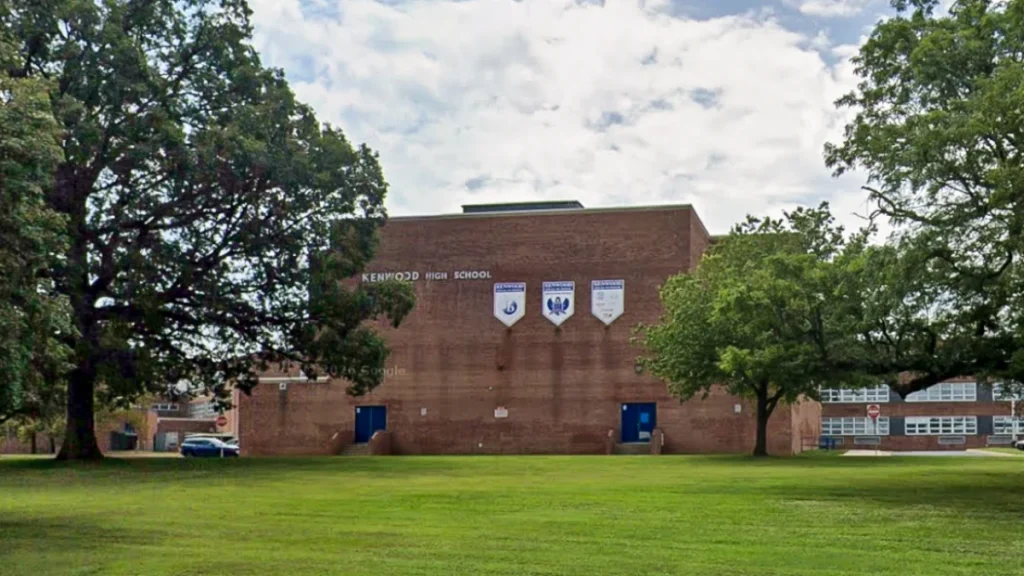
Four Baltimore-area students filed a lawsuit against Baltimore County, its police department and an artificial intelligence security company Tuesday, NBC News reported. They said an AI gun detection system mistook a bag of Doritos for a firearm. The mistake led to police handcuffing and searching them outside their high school.
The lawsuit was filed in the Circuit Court for Baltimore County, NBC News reported. It stems from an Oct. 20, 2025, incident outside Kenwood High School.
The four Black teenagers were waiting around 6:30 p.m. for a parent to pick them up. They had just finished football practice, according to the suit.
One of the teens was eating a bag of Cool Ranch Doritos. His coach had given him the chips, the lawsuit states, according to NBC News.
AI system flagged the Doritos bag as a weapon
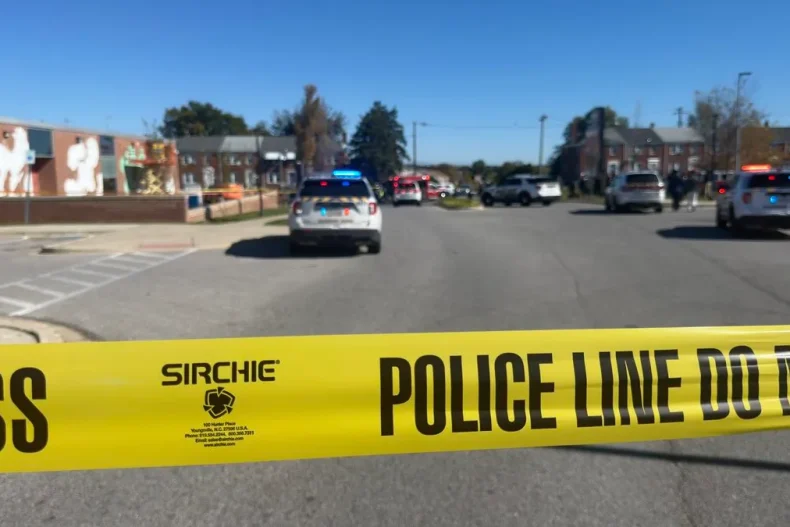
The teens were suddenly surrounded by at least six Baltimore County Police Department officers. Many had their guns drawn, the lawsuit alleges, according to NBC News. Officers forced the students to their knees on the concrete, then handcuffed and searched them, the suit says.
The students were not told why they had been stopped until after the search. They later learned that an AI system called Omnilert had triggered the police response, NBC News reported. The school used Omnilert to scan security camera footage for firearms.
The alert was canceled by school and police officials within minutes. That happened once it was clear no gun was present, according to the lawsuit. But the Kenwood principal did not pass that information along, the suit alleges.
Instead, the principal took a screenshot of the Omnilert video footage. The principal then sent it to the school resource officer. The officer forwarded it to police, prompting the armed response, according to the lawsuit cited by NBC News.
“This should have never been escalated to the police. It simply should not have happened, and we filed this lawsuit to prevent this from ever happening again,” attorney Leah Frazier said, according to NBC News.
The lawsuit alleges unreasonable search and seizure, false imprisonment and negligence. It names Omnilert, the school, the principal and the Baltimore County Police Department as defendants, NBC News reported.
Inspector general found no evidence of bias
The Maryland Office of the Inspector General for Education investigated the incident. It issued a November 2025 report finding no evidence of racial bias in the AI system’s response, NBC News reported.
The report said the Omnilert system did not flag the blue potato chip bag as a threat, NBC News reported. “The perceived threat was based on the student’s hand movement, including its position and angle,” the report said.
The lawsuit describes the encounter as terrifying for the teens. They feared for their lives and the lives of their friends, NBC News reported. It alleges one officer on scene thanked the students for not running away.
The suit also claims the principal joked about the incident in a text message to administrators. The principal wrote, “It was a bag of chips” along with four crying-laughing emojis, according to NBC News.
One of the four teens is still a student at Kenwood. The others have since enrolled in college, NBC News reported.
“The police told my son this could have been a real problem,” Freida Winfield, the mother of one of the teens, said, according to NBC News. “No child in Baltimore County should face this kind of danger while waiting outside his own school for a ride home from his mother.”
Company and police decline to comment on lawsuit
Omnilert and the Baltimore County Police Department said they could not comment on pending litigation, NBC News reported. The school district and the principal did not immediately respond to requests for comment.
The case has drawn national attention as schools increasingly rely on AI-powered security tools, Queen City News reported. Legal questions raised include whether an AI alert alone can justify a stop and search under the Fourth Amendment. Another question is who bears responsibility when such alerts are wrong.
The students are seeking damages. They argue that the AI system’s error violated their constitutional rights, Queen City News reported.